
Techno-Economic Analysis: Rooftop Solar
Grid-tie, off-grid, or hybrid — which system actually works for households that can't afford to get it wrong?



Class:
ENGS 172.2: Techno- Economic Analysis in a Developing Country Context
OVERVIEW
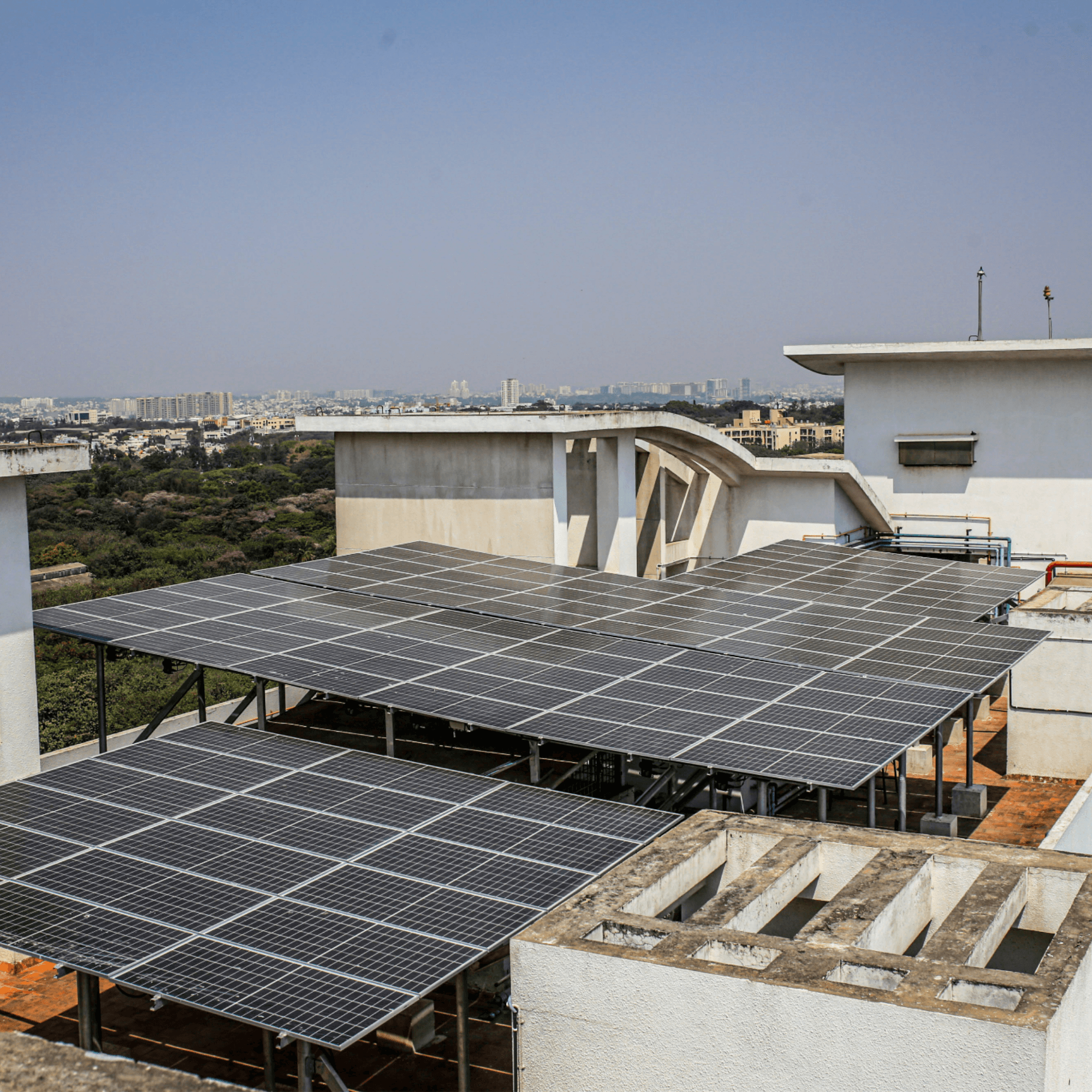
A techno-economic model comparing three rooftop solar configurations for urban households in Lagos, Nigeria and Manila, Philippines — two high-density cities with high electricity costs but dramatically different grid reliability. The study evaluated capital expenditure, operating costs, payback periods, and cost sensitivity across all three systems to identify the financially optimal configuration for each market.
Central finding: there is no universal answer. Lagos (168 outages/year) favors a hybrid system with a 6-year payback. Manila (28 outages/year) favors grid-tie with a 1-year payback. Developing markets cannot and should not be grouped into uniform recommendations.
My role.
Built the framework and logic for the Techno-Economic Model(TEM), establishing project objectives and parameters
Designed Excel TEM framework including input structure, system sizing, and cost estimation, and sensitivity analysis.
Sized each system (PV array, inverter, battery) to meet annual household energy demand using local irradiance, rooftop area, and grid reliability data
–
TECHNO-ECONOMIC MODELLING • FINANCIAL ANALYSIS • SENSITIVITY ANALYSI • SOLAR SYSTEMS • MARKET RESEARCH • DATA VISUALIZATION
–
TECHNO-ECONOMIC MODELLING • FINANCIAL ANALYSIS • SENSITIVITY ANALYSI • SOLAR SYSTEMS • MARKET RESEARCH • DATA VISUALIZATION
–
TECHNO-ECONOMIC MODELLING • FINANCIAL ANALYSIS • SENSITIVITY ANALYSI • SOLAR SYSTEMS • MARKET RESEARCH • DATA VISUALIZATION
–
TECHNO-ECONOMIC MODELLING • FINANCIAL ANALYSIS • SENSITIVITY ANALYSI • SOLAR SYSTEMS • MARKET RESEARCH • DATA VISUALIZATION
–
TECHNO-ECONOMIC MODELLING • FINANCIAL ANALYSIS • SENSITIVITY ANALYSI • SOLAR SYSTEMS • MARKET RESEARCH • DATA VISUALIZATION
Related Projects

